
How Proper Tree Pruning Promotes Health and Prevents Hazards

Tree Pruning

Healthy trees are a valuable part of any property, providing beauty, shade, and environmental benefits. However, without proper care, they can become dangerous, diseased, or structurally unstable. One of the most effective ways to maintain strong, safe, and vibrant trees is through correct pruning practices. Partnering with a qualified Dubbo tree service or professional arborist ensures pruning is done correctly—enhancing both safety and long-term health.

The Importance of Proper Tree Pruning

Tree pruning is more than just trimming for appearance. It’s a targeted process designed to remove dead, diseased, or structurally weak branches while improving the tree’s overall balance and form. When done correctly, pruning encourages healthy growth, reduces the risk of falling limbs, and minimizes potential hazards to people and property.

Improper cutting, such as excessive lopping or topping, can have the opposite effect. It often leaves large wounds that invite decay and pests, weaken the tree’s structure, and lead to rapid, unstable regrowth. Proper pruning, guided by arboricultural standards, avoids these problems by focusing on selective, strategic cuts that promote natural healing.

Key Benefits of Correct Pruning

1. Improved Tree Health

Removing diseased or dead wood stops decay from spreading through the tree. By improving airflow and light penetration within the canopy, pruning helps prevent fungal infections and supports vigorous new growth. A healthy tree can better resist drought, pests, and harsh weather conditions.

2. Enhanced Safety

Pruning reduces the likelihood of falling branches, especially during storms or high winds. Removing structurally weak limbs or those growing too close to roofs, fences, or pathways prevents potential damage and injury. For large trees near buildings or powerlines, professional assessment and pruning are essential for risk mitigation.

3. Stronger Structure and Longevity

Early and formative pruning encourages good branch spacing and a well-balanced crown. This strengthens the overall structure and minimizes the chance of breakage as the tree matures. For older trees, remedial pruning can restore stability and prolong their life by reducing the weight on weakened limbs.

4. Aesthetic and Environmental Value

A well-pruned tree not only looks better but also supports wildlife habitats and contributes to a healthier ecosystem. By removing crossing or crowded branches, the tree’s form becomes more open and natural, enhancing its visual appeal while maintaining ecological balance.

When to Prune

Timing is a critical factor in pruning success. The best time depends on the species and the reason for pruning. Generally, it’s best to prune during the dormant or cooler seasons when trees are less stressed and pests are less active. Avoid heavy pruning during periods of extreme heat or drought, as it can increase water loss and expose bark to sun damage.

Recognizing the Need for Pruning

Sure, warning signs indicate when pruning should be prioritized:

  • Branches that are dead, cracked, or hanging loosely
  • Limbs rubbing against roofs, fences, or power lines
  • Excessive leaf loss or sparse canopies
  • Branches growing inward or crossing each other.
  • Signs of decay, mushrooms, or cavities on the trunk or roots

If you notice any of these red flags, it’s best to schedule a professional inspection. Arborists are trained to evaluate the tree’s structure and identify the safest, most beneficial pruning methods.

The Role of Professional Arborists

Tree pruning may look simple, but it requires specialized knowledge and equipment. Certified arborists follow established standards, ensuring every cut is made with precision and purpose. They understand how different species respond to pruning, how to reduce hazards without over-stressing the tree, and how to maintain its natural form. Professional assessments often include examining soil conditions, previous pruning history, root health, and overall stability.

A qualified team will also provide safety measures such as traffic management or rope access when necessary. They carry insurance, follow workplace safety protocols, and offer clear documentation of the work performed.

Environmentally Responsible Disposal

After pruning, the resulting branches and foliage can be recycled as mulch or compost. Mulching helps retain soil moisture, suppresses weeds, and regulates soil temperature. Some larger logs can be reused for garden edging or wildlife habitats. Responsible disposal ensures that no green waste is left to pose a hazard or attract pests.

Conclusion

Proper tree pruning is an investment in both beauty and safety. It enhances growth, prevents decay, and protects your property from potential damage. By choosing qualified professionals who follow industry standards, you ensure that every tree receives the care it needs to thrive for decades. A trusted dubbo tree service can provide expert pruning, safety assessments, and maintenance to keep your trees strong, healthy, and hazard-free year-round.
Grow with Confidence: How to Pick the Best Soil Testing Solution in Wide Bay

Best Soil Testing

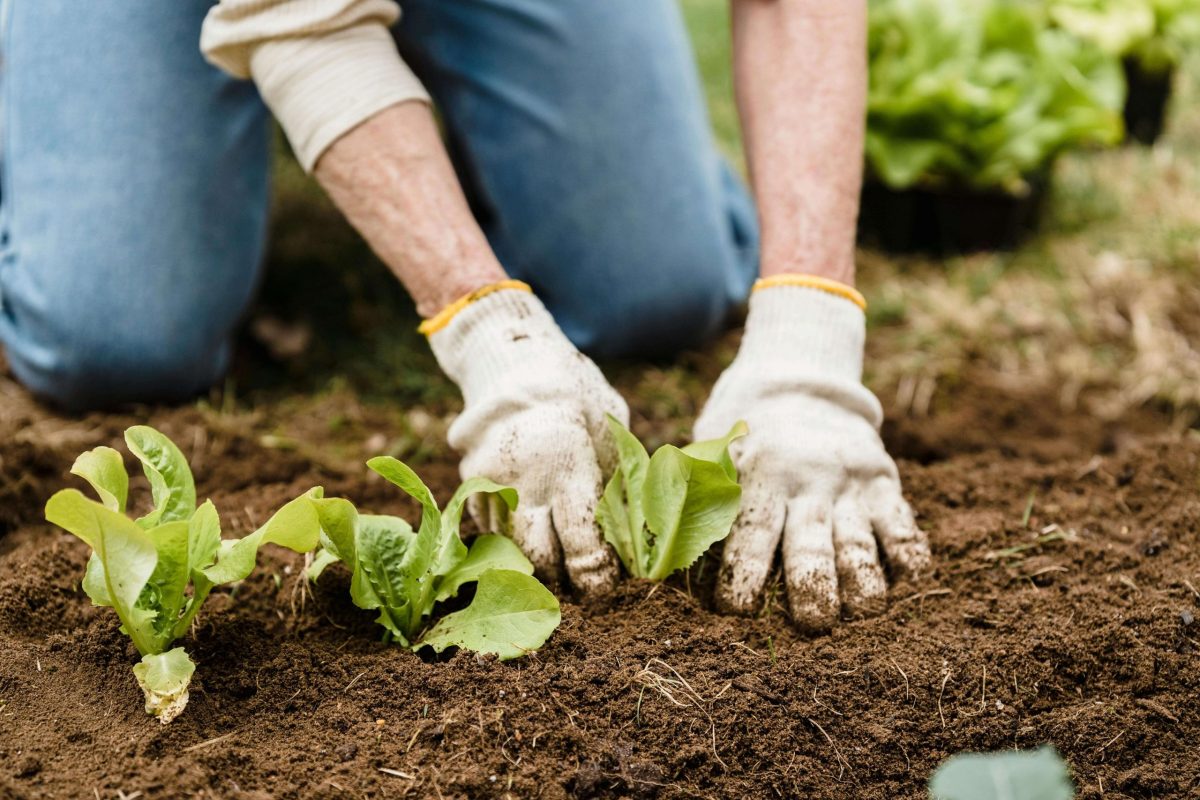
In the lush landscapes of Wide Bay, the soil beneath our feet is a living ecosystem filled with potential. Understanding its qualities and health through soil testing can transform agricultural practices, enhance productivity, and support sustainable farming. But what exactly is soil testing, and why is it so crucial for the region? Let’s investigate everything you need to know about soil testing Wide Bay and how it can benefit local farmers and gardeners alike.

What Is Soil Testing?

Soil testing is a process aimed at analyzing the physical and chemical properties of soil to determine its composition, fertility, and suitability for various crops. Typically, a sample is collected from a certain area of land, sent to a lab, and examined for essential nutrients such as nitrogen, phosphorus, and potassium.

Moreover, factors such as pH levels, organic matter content, and soil texture are assessed. This information helps farmers make informed decisions about soil amendments, crop rotation, and fertilization.

Importance of Soil Testing in Agriculture

Understanding the intricacies of soil health is paramount in agriculture. Soil testing provides essential data that can lead to improved crop yields and sustainable farming practices. Farmers in Wide Bay can identify nutrient deficiencies or toxicity, enabling them to adjust their fertilization strategies, thereby saving time and money.

Also, knowing the soil’s pH level can help in selecting the right crops that are suited to the local environment. Healthier soil translates into healthier plants, and in turn, this supports the local economy and food security.

Types of Soil Tests Available in Wide Bay

Wide Bay offers various soil testing options tailored to the needs of its diverse agricultural community. Here are some common types of soil tests:

1. Basic Nutrient Test

This test measures the primary nutrients like nitrogen, phosphorus, and potassium, as well as secondary nutrients like calcium and magnesium.

2. pH Test

pH testing assesses acidity or alkalinity, which affects nutrient availability to plants. It’s crucial for optimizing soil health.

3. Texture Analysis

This test evaluates the soil’s composition of sand, silt, and clay, which influences water retention and aeration.

4. Organic Matter Test

Organic matter levels affect soil fertility and microbial activity. This test helps farmers understand how much organic material is present in the soil.

Steps Involved in Soil Testing

Conducting a soil test might seem daunting, but it’s a straightforward process:

1. Sample Collection

The first step is gathering soil samples from various locations in the field to ensure a representative analysis. Using a clean shovel or soil auger, samples should be taken from the top 6-8 inches of soil.

2. Sample Preparation

Once collected, samples should be air-dried, crushed, and sieved to remove larger debris to prepare them for analysis.

3. Submission to Laboratory

The prepared samples are then sent to a reliable soil testing laboratory. Typically, it’s advisable to follow any instructions provided by the lab for accurate results.

4. Receive Results

After a few days, the results will return, detailing nutrient levels and recommendations for amendments.

Interpreting Soil Test Results

Once results arrive, understanding them is crucial to implementing effective soil management strategies. Each laboratory often provides a report that includes:

– Nutrient Levels

This section highlights nutrient concentrations and whether they fall within optimal ranges for the desired crops.

– pH Level

A recommended pH range is given for growing specific crops, guiding necessary adjustments with lime or sulfur amendments.

– Recommendations

The advice provided by labs is gold. This may include suggestions for fertilizers or other soil amendments tailored to improve soil conditions.

Local Resources for Soil Testing in Wide Bay

For residents of Wide Bay looking to conduct soil testing, numerous local resources are available. State agricultural departments often offer testing services and guides on how to interpret results. Also, local universities with agricultural programs can assist by offering soil analysis at a minimal cost. Finally, private agricultural consultant services can offer comprehensive testing and recommendations tailored to specific crops and soil types, ensuring that farmers optimize their soil management practices.

Conclusion

Soil testing is a vital step in fostering healthy crops and sustainable farming in Wide Bay. By understanding the unique properties of their soil, local farmers can enhance productivity, reduce waste, and contribute to a thriving agricultural community. Whether it’s through basic nutrient tests or detailed analyses offered by local resources, taking the initiative to test and manage soil health can lead to long-lasting benefits for both individuals and the region’s economy.