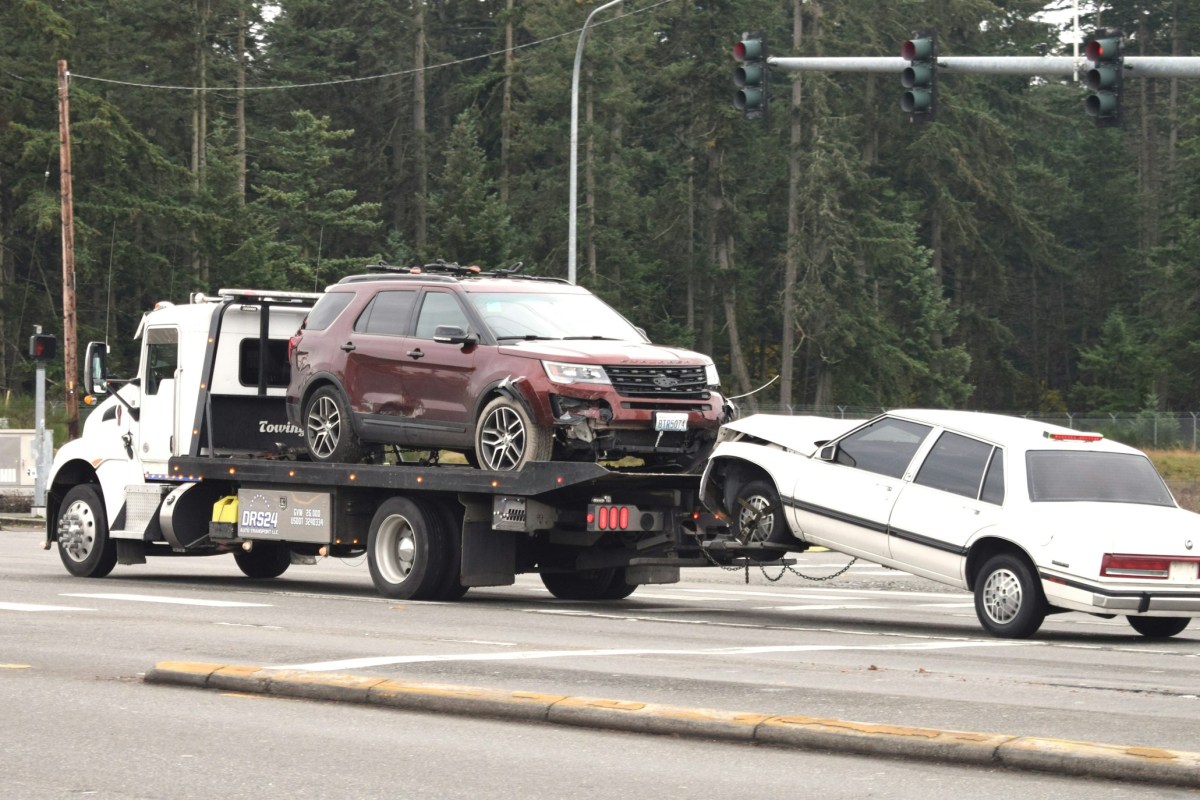
Stuck on Industrial Drive at dusk or stranded near the M1 after a late shift? When things go wrong on the road, emergency towing Newcastle services isn’t just convenient, it’s safety, speed, and a bit of calm when you need it most. Here’s a clear, friendly guide to help drivers in Newcastle and the Hunter get the right help fast, know what to expect from a 24/7 tow, and make smart choices under pressure.
When To Call Emergency Towing
Call emergency towing when the vehicle can’t be safely driven or secured on the shoulder. Common triggers include:
- Collision damage, even if the car still starts
- Engine overheating, oil pressure loss, or serious warning lights
- Flat or blown tires without a usable spare, or wheel damage
- Dead battery in an unsafe location or after hours
- Transmission or steering failure
- Stuck in sand, mud, a median, or a drainage ditch (hello, Stockton foreshore)
If you’re near busy corridors, such as the Newcastle Link Road, the Pacific Motorway (M1), the Hunter Expressway (M15), or the Hexham Bridge approaches, opting for a tow is often the safer choice due to speed limits and limited shoulders.
What To Expect From A 24/7 Tow at Newcastle
Dispatch And ETA Communication
When you call, dispatch will ask for the location (the closest cross street helps, like Maitland Rd and Tourle St), vehicle make/model, problem type, and any hazards. Good operators share a realistic ETA and then text updates with the driver’s name, truck type, and live location where possible.
On-Scene Safety And Vehicle Assessment
Expect the tow professional to position the truck for maximum visibility, lay cones where safe, and do a quick assessment: is it a short winch, a wheel-lift, or a flatbed situation? They’ll confirm attachment points, photograph damage (especially for accident tows), and explain the plan before moving the vehicle.
Local Traffic And Access Considerations
Newcastle has a mix of tight inner streets (Cooks Hill, The Junction), multi-lane arterials (Industrial Dr, Griffiths Rd), and coastal car parks. Crews factor in height limits, clearways, and peak-hour flows around Mayfield, Sandgate, Jesmond, and Charlestown. If recovery blocks a lane, they may coordinate with police or traffic control to keep everyone safe.
Service Types And Equipment
Light-, Medium-, And Heavy-Duty Towing
- Light-duty: passenger cars, small SUVs, most utes
- Medium-duty: larger vans, loaded utes, small trucks
- Heavy-duty: buses, coaches, construction rigs
Make sure the provider sends the right truck type: it affects recovery time and price.
Recovery, Winching, And Accident Clearances
Winching safely extracts vehicles from verges, sand, or embankments without causing more damage. Accident clearances involve coordinating with insurers and, at times, NSW Police. Reputable operators document the scene, remove debris, and secure loose parts.
Specialty Handling: EVs, Hybrids, Motorcycles, And AWD/4×4
- EVs/Hybrids: use flatbeds: engage “tow mode” and avoid lifting drive wheels—no wheel dollies on long hauls.
- Motorcycles: soft straps, wheel chocks, and bar harnesses to prevent fork damage.
- AWD/4×4: flatbed preferred: if wheel-lift is unavoidable, dollies or skates must be used to keep drivetrains safe.
Costs, Insurance, And Payment
What Drives Price: Distance, Timing, Vehicle, And Complexity
Pricing typically reflects call-out fee, distance, time of day (after-hours/holidays can cost more), vehicle size, and complexity (winching, accident sites, blocked access). Expect higher rates for heavy-duty tows or difficult recoveries near beaches or bush tracks.
Insurance, Roadside Assistance, And Authorizations
Comprehensive insurance may cover accident tows: check your PDS or call your insurer for an authorization number before the truck departs, if safe to do so. Roadside assistance (e.g., NRMA) can cover towing up to a set distance. Company fleets usually require pre-approval; have your fleet card or policy ready.
Payment Methods And Getting An Itemized Receipt
Most Newcastle tow operators accept major cards, tap-and-go, and digital wallets: some take cash. Always ask for an itemized receipt with ABN, truck details, pickup/drop addresses, and a breakdown of fees. It speeds up reimbursements and reduces disputes.
Safety Steps While You Wait
Positioning, Hazards, And Visibility
If possible, move to the shoulder or a nearby side street. Put the handbrake on, turn the wheels away from traffic, and switch on the hazards. At night or in the rain, keep parkers on for visibility. Use triangles if you can place them without stepping into traffic.
What To Share With Dispatch For Faster Help
- Precise location: “Southbound M1, 2 km before the Freemans Waterhole exit” is gold
- Vehicle details and any modifications
- Photos of the situation (sand, gutter, flat spot), if safe to take
- Special constraints: kids in the car, pets, mobility needs
Protecting Valuables And Documents
Before the tow, grab wallets, keys, rego papers, toll tags, and any medications. If the vehicle’s headed to a holding yard overnight, remove work gear and visible valuables to avoid worry later.
How To Choose A Reliable Newcastle Towing Provider
Licensing, Insurance, And Certifications
Look for NSW tow authority compliance, appropriate insurances, and operator certifications for EVs and heavy recoveries. Don’t be shy about asking.
Fleet Capability, Response Times, And Coverage Hours
A mixed fleet (flatbeds, wheel-lifts, heavy wreckers) with true 24/7 coverage usually means faster response and fewer hand-offs. Ask about typical ETAs in your suburb, from Stockton to Merewether to Fletcher.
Transparent Quotes, No-Surprise Fees, And Reviews
Get a clear quote: call-out, per‑km rate, after-hours loading, winch time, storage. Read recent Google reviews for patterns, not just stars. Consistent praise for communication and care is a good sign.
Conclusion
Emergency towing in Newcastle is about speed, safety, and clarity when the unexpected hits. Know when to call, what a 24/7 tow should look like, and how pricing and insurance work. Share precise details with dispatch, keep yourself visible and calm, and choose a licensed, well‑reviewed local team. With the right info and a little composure, you’ll be off the shoulder and on your way much faster.
 Pulse Drive Car